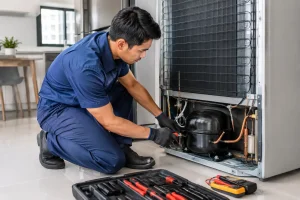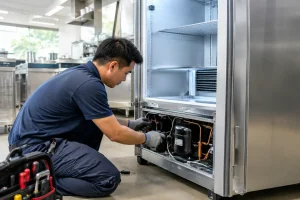
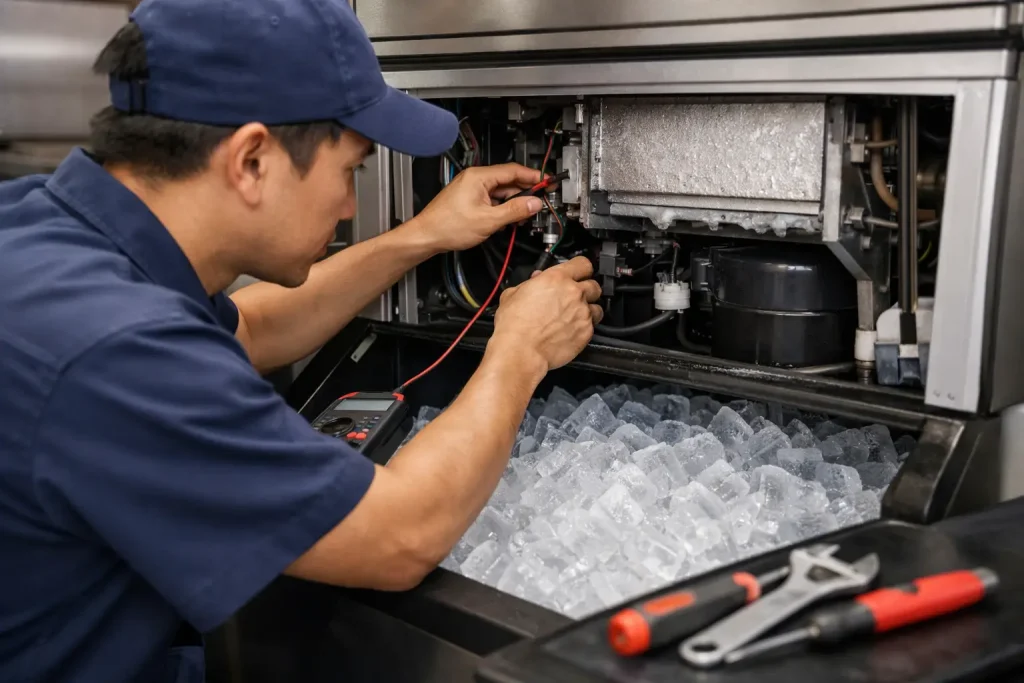
A stopped ice machine can quickly disrupt a busy office pantry, café, hotel, or home. Ice machine repair is often needed when the unit makes little or no ice, produces small or cloudy cubes, leaks, or runs continuously without completing a harvest cycle. Some causes are simple, such as a blocked water filter or poor airflow. Others involve components that require professional testing and replacement.
Start With the Symptoms, Not the Part
An ice machine depends on several systems working in the right order: water supply, refrigeration, freezing plate or mold, sensors, drain, and harvest mechanism. A fault in one area can look like a problem somewhere else. For example, low water flow may cause thin cubes, while a refrigeration issue may make the machine appear to have a water problem because it cannot freeze a full batch.
Before arranging a repair, note what the appliance is doing. Is it completely silent, running but not freezing, making ice too slowly, or producing ice that melts in the bin? Has the problem started after a power interruption, a filter change, moving the appliance, or a period of low use? These details help a technician diagnose the fault faster.
For built-in refrigerator ice makers, check whether the refrigerator itself is cooling properly. If the freezer temperature is too high, the ice maker cannot freeze water consistently. A weak refrigerator cooling system can therefore affect both food storage and ice production.
Common Ice Machine Problems and What They Mean
The machine makes no ice
First, check that the appliance is switched on, the water supply valve is open, and the bin or ice storage drawer is correctly positioned. Many machines stop production when a bin sensor detects that it is full, even if the bin is empty but misaligned.
If water is not entering the unit, the cause may be a clogged filter, kinked inlet hose, blocked inlet screen, faulty water inlet valve, or low water pressure. Do not force water through hoses or dismantle sealed valves. Water can leak into electrical components if fittings are not reinstalled correctly.
When water enters but does not freeze, the fault may involve the compressor, fan motor, condenser, evaporator system, thermostat, or temperature sensor. These parts need proper testing. Replacing a visible part without confirming the fault can add unnecessary cost without restoring ice production.
Ice cubes are small, hollow, or incomplete
Thin or hollow cubes usually point to insufficient water during the freeze cycle. A worn inlet valve may open slowly, a filter may be restricted, or mineral buildup may be affecting the water distribution system. In commercial ice machines, scale buildup is a frequent cause, particularly when routine cleaning has been missed.
Small cubes can also occur when the ambient area is too warm or ventilation openings are blocked. Countertop and under-counter units need space around vents so heat can escape. Placing a machine tightly against a wall or beside a heat-producing appliance can reduce output and increase strain on the compressor.
The machine makes ice slowly
Ice production naturally varies with room temperature, incoming water temperature, machine capacity, and usage. In Singapore’s warm conditions, a machine working in a hot or poorly ventilated area may take longer to freeze each batch.
However, a sudden drop in output should be checked. Dirty condenser coils, a weak fan, a failing compressor, low refrigerant caused by a leak, or a worn circulation pump can all slow production. A technician can measure operating temperatures and inspect the refrigeration system rather than guessing from the cube size alone.
Ice tastes bad, smells unusual, or looks cloudy
Ice absorbs odors easily. An old filter, stale water left in the machine, a dirty storage bin, or residue inside the water system can affect taste and smell. Turn off the unit, discard the existing ice, and clean food-contact surfaces according to the manufacturer’s instructions. Replace the filter if it is due.
If the issue returns soon after cleaning, the machine may need a deeper descaling and sanitizing service. Mineral deposits can collect in areas that are not reachable during basic cleaning. This buildup can affect water flow, cube quality, and hygiene.
Cloudy ice is not always a mechanical failure. Minerals and air bubbles in the water can make cubes look less clear. But if cloudiness comes with flakes, discoloration, odor, or an unusual taste, stop using the ice until the appliance has been cleaned and inspected.
Water leaks from the ice machine
A leak should be addressed promptly. Check whether the drain line is blocked or loose, the water inlet connection is dripping, or the unit is not level. Ice makers that are tilted can overflow or drain incorrectly.
Leaks may also come from a cracked water reservoir, damaged pump tubing, faulty inlet valve, or overflowing ice tray. Switch off the machine and close the water supply if water is reaching the floor or electrical area. Avoid continuing to operate it until the source is identified.
The machine is noisy or keeps running
Some noise is normal during ice production. You may hear water filling, a fan running, ice dropping into the bin, or a brief pump sound. New grinding, rattling, buzzing, or clicking noises are different, especially if they occur with poor ice output.
A machine that runs continuously may have blocked airflow, a dirty condenser, a faulty sensor, or a refrigeration fault that prevents it from reaching the required temperature. Persistent operation wastes energy and can lead to a more expensive breakdown if left unresolved.
Safe Checks You Can Do Before Calling for Ice Machine Repair
There are a few practical checks that do not require dismantling the unit. Make sure the appliance has power, the water valve is open, the inlet hose is not bent, and the bin is seated properly. Clear dust from accessible exterior vents using a soft brush or vacuum attachment, with the machine switched off.
Check the filter replacement schedule if your model uses a filter. A restricted filter can reduce water flow long before it stops completely. Also inspect the area around the machine. It needs adequate ventilation, a stable level surface, and a drain arrangement that is not blocked or crushed.
Do not use sharp tools to remove ice, chip at frozen components, or pour unapproved chemicals into the water system. These actions can damage the evaporator, sensors, plastic tubing, and seals. Avoid opening sealed refrigeration components as well. Refrigerant work requires the correct equipment and handling procedures.
When Professional Ice Machine Repair Is the Better Choice
Professional service is recommended when the machine has no cooling, repeatedly trips power, leaks internally, shows an error code, freezes over, makes very little ice despite a working water supply, or produces ice with recurring quality problems after cleaning. These faults often require electrical testing, component inspection, or replacement parts.
For commercial equipment, quick diagnosis matters because output loss can affect daily operations. A technician can check water inlet performance, pump operation, condenser condition, fan motors, control boards, sensors, harvest components, and refrigeration pressures. This is more reliable than replacing parts based on symptoms alone.
At Fix It Appliance, technicians can assess residential ice makers and commercial ice machines, explain the fault clearly, and advise whether repair is worthwhile before major work begins. The right repair may be as simple as replacing a valve, pump, sensor, or fan. In other cases, a major refrigeration or control-board repair may make replacement the more sensible option.
Repair or Replace: How to Make the Call
The decision depends on the machine’s age, condition, capacity, repair history, and the cost of the required parts. A newer unit with a failed inlet valve, pump, thermostat, or sensor is often worth repairing. These are common service parts, and restoring the machine can be more economical than replacing it.
Replacement deserves consideration when the appliance has repeated breakdowns, serious corrosion, a major sealed-system fault, unavailable parts, or a repair estimate that is high compared with a suitable new unit. Commercial users should also consider downtime, expected ice demand, and whether the existing machine is still sized correctly for current use.
A good diagnosis makes this decision easier. Ask for the identified fault, the parts required, and whether the repair addresses the root cause or only a visible symptom.
Prevent Breakdowns With Simple Maintenance
Regular maintenance reduces many avoidable ice machine problems. Empty and clean the bin periodically, replace filters on schedule, keep ventilation areas clear, and arrange descaling when mineral deposits are likely. Machines in heavier-use settings may need more frequent care than a home ice maker.
If output changes, a leak appears, or ice quality declines, arrange an inspection before the unit stops completely. Early ice machine repair is usually less disruptive than waiting for a busy day when the machine can no longer keep up.