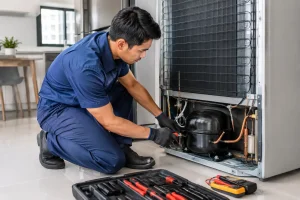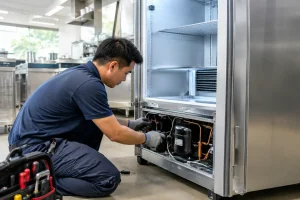

A refrigerator that still feels cold can be costing you more than you expect. A weak compressor, damaged door seal, faulty fan, or ice buildup can force the appliance to run longer while struggling to hold a safe temperature. Understanding how fridge repair saves money helps Singapore homeowners and businesses act before a small cooling problem becomes spoiled groceries, higher utility use, or a full appliance replacement.
For most refrigerators, early diagnosis is the key. The repair may be as straightforward as replacing a worn gasket or defrost component. Waiting until the fridge stops cooling completely can turn the same issue into a larger repair, and it may leave you needing urgent storage for perishable items.
How Fridge Repair Saves Money Before Failure
A fridge is designed to cycle on and off as it maintains the selected temperature. When a part begins to fail, the unit often compensates by running for longer periods. You may hear the compressor working more often, notice warmer shelves, or find that frost keeps returning in the freezer.
That extra runtime uses more electricity. It also puts added stress on major components, especially the compressor and fan motors. Repairing the original fault early can restore normal operation and prevent a minor part from contributing to a more expensive breakdown.
A door gasket is a good example. When the rubber seal is cracked, loose, or flattened, cool air escapes every time the compressor runs. The fridge then has to work harder to replace that lost cold air. Replacing the seal costs far less than allowing continuous strain to affect the cooling system over time.
Lower energy waste from better cooling performance
Not every increase in electricity use is easy to spot on a bill. But a fridge that runs nearly nonstop, feels unusually hot at the sides, or takes too long to cool after the door is closed deserves attention. Common causes include dirty condenser coils, poor ventilation around the appliance, a faulty thermostat, or a weak cooling fan.
A technician can identify whether the issue is maintenance-related or whether a part needs replacement. For example, cleaning accessible dust buildup may improve airflow, while a failed condenser fan motor will need a proper replacement. The right diagnosis matters because replacing parts by guesswork can waste money without solving the underlying fault.
Less loss from temperature problems
A fridge does not need to be completely warm before it creates costly problems. Uneven cooling can leave some sections too warm while other areas freeze items unexpectedly. A blocked air vent, defective evaporator fan, damaged sensor, or defrost fault may be responsible.
For households, this can mean throwing away groceries sooner than expected. For offices, cafes, hotels, and other businesses that rely on refrigeration, inconsistent temperatures can disrupt daily operations and create avoidable stock loss. A prompt repair is often the more economical option because it protects what is already stored inside the appliance.
Repair Costs Compared With Replacement Costs
Replacing a refrigerator is not just the cost of buying a new unit. There may also be delivery charges, disposal arrangements, installation work, and the time spent finding a model that fits your kitchen or business space. Built-in fridges, wine chillers, and larger commercial units can make replacement especially disruptive.
Repair is usually worth considering when the appliance is reasonably well maintained, the cabinet and doors are in good condition, and the fault is limited to a serviceable part. Thermostats, sensors, fans, start relays, defrost heaters, door seals, and drainage components are examples of faults that can often be repaired without replacing the entire refrigerator.
The decision depends on the appliance’s age, model, condition, and the availability of suitable spare parts. A professional diagnosis should explain what has failed, what repair involves, and whether the expected result justifies the cost. Honest service means recognizing when repair is practical and when replacement may be the better long-term choice.
When replacement may make more sense
There are situations where spending on repair is less sensible. If a very old refrigerator has repeated faults, severe cabinet damage, or a major sealed-system issue, the repair cost may be difficult to justify. This is also true if compatible parts are no longer available or if the appliance has a history of poor cooling even after previous repairs.
However, age alone does not decide the outcome. A well-built fridge with one failed fan or defrost component may have many useful years left. Conversely, a newer appliance with extensive damage from a leak or neglected maintenance may need a more careful cost assessment. The practical question is not simply, “Is the fridge old?” It is, “What is wrong, and will repair restore reliable performance at a reasonable cost?”
Common Fridge Faults That Are Cheaper to Fix Early
Small warning signs are worth taking seriously. The longer a cooling issue continues, the more likely it is to affect other parts and daily use.
A refrigerator that is noisy may have a worn fan motor, an obstructed fan blade, or vibration from an uneven position. A leaking fridge may have a blocked defrost drain, a damaged water line, or excess condensation caused by a poor door seal. Excessive frost can point to a defrost system fault or warm air entering through a door that does not close properly.
If the fridge is not cold enough, avoid adjusting the temperature control repeatedly as a first response. This can mask the problem and may cause the freezer to overwork. Check that the doors close fully, vents are not blocked by stored items, and there is enough clearance around the appliance. If the problem continues, arrange a diagnosis before cooling drops further.
For a fridge that has stopped cooling entirely, switch off unnecessary door opening and move temperature-sensitive items to alternative cold storage if available. Do not attempt to remove internal panels or handle electrical components unless you are qualified to do so. Refrigerators contain systems that need accurate testing, and an incorrect repair attempt can increase the damage.
Preventive Maintenance Protects Your Repair Budget
Preventive care does not prevent every failure, but it reduces avoidable strain. Keep the door gasket clean so it can seal properly, and check that the fridge is level enough for doors to close as intended. Do not overpack the shelves to the point that internal air vents are blocked.
Leave suitable space around the refrigerator for heat to escape, based on the manufacturer’s guidance. If the exterior coils are accessible, keep them free from heavy dust buildup. Also pay attention to changes in performance. New clicking sounds, frequent cycling, water under the unit, frost buildup, and inconsistent cooling are all better addressed early than ignored.
Businesses should be particularly careful with appliances that run continuously. A fridge or freezer that supports daily operations has limited downtime available. Scheduled checks and timely spare parts replacement can be less costly than an emergency failure during a busy period.
Choose Diagnosis Over Guesswork
Online advice can help identify basic signs, but it cannot confirm whether the cause is a sensor, fan, compressor relay, defrost system, control board, or another component. Different faults can produce similar symptoms. A fridge that is warm, for instance, may have a simple airflow issue or a more serious cooling-system problem.
A proper inspection helps you spend on the repair that is actually needed. Fix It Appliance provides refrigerator diagnostics and repair across Singapore, including spare parts replacement and preventive maintenance where appropriate. Clear findings allow homeowners, landlords, and business operators to decide with confidence rather than replace an appliance prematurely.
If your fridge is running longer, cooling unevenly, leaking, or building up frost, treat it as an early warning rather than a minor inconvenience. A timely repair can protect the appliance you already own and keep a manageable fault from becoming the expensive one.