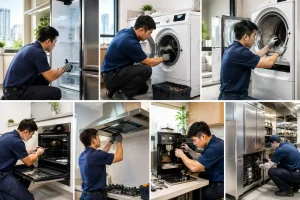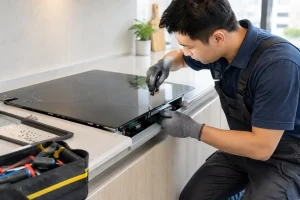

A failed refrigerator, washer, or oven creates an immediate decision: get a replacement today, arrange a repair, or rent an appliance while you decide. Appliance rental versus purchase is not only about the monthly price. In Singapore, it also comes down to how long you need the appliance, whether the fault is repairable, available space, and who is responsible for the unit.
For some households, renting prevents a stressful breakdown from becoming a rushed and expensive purchase. For others, buying is the more sensible long-term choice. The right answer depends on the appliance and your situation.
Appliance Rental Versus Purchase: Start With the Time Frame
The expected period of use is usually the clearest deciding factor. Rental can be practical when the need is temporary or uncertain. Purchase generally makes more sense when you expect to use the appliance regularly for several years.
A tenant on a short lease may not want to purchase a washing machine, refrigerator, or dryer that must later be moved, stored, or sold. A landlord preparing a unit between tenancies may need a working appliance quickly without committing to a new model. A business may need a temporary freezer, refrigerator, coffee machine, or ice maker while its main unit is being diagnosed or repaired.
In these situations, rental provides flexibility. You pay for access to a working appliance without carrying the full upfront cost or long-term ownership responsibility.
Buying suits owners who need a reliable appliance for daily use and have a stable setup. The upfront price is higher, but the cost is spread across years of use. Once the appliance is paid for, ongoing expenses are limited to electricity, maintenance, and occasional repair.
When Renting an Appliance Makes Sense
Rental is often a practical bridge, not a permanent substitute for ownership. It can keep your household or business running while you wait for a repair assessment, spare part replacement, or delivery of a new unit.
Consider rental when your existing appliance has a potentially repairable fault. For example, a refrigerator that is not cooling may have a failed fan motor, thermostat, sensor, start relay, or compressor-related issue. A washing machine that will not spin could have a drain blockage, worn belt, faulty door lock, or motor problem. Until a technician identifies the cause and confirms parts availability, renting a replacement unit may be less risky than buying immediately.
Rental can also be useful in these circumstances:
- You are staying in Singapore for a limited period or have an uncertain move-out date.
- You need an appliance urgently after a breakdown and cannot wait for a purchase delivery.
- Your appliance is under repair and you need temporary use of a refrigerator, washer, dryer, freezer, or other essential unit.
- You are testing whether a particular appliance size or capacity suits your household or commercial needs.
- You manage a property or business and need to avoid downtime while deciding on a permanent replacement.
The main benefit is speed and flexibility. The trade-off is that monthly rental payments can become costly if the arrangement continues for a long period.
Check What the Rental Fee Covers
Before agreeing to a rental, confirm what is included. Delivery, installation, collection, maintenance, and repair support may be covered differently by each provider. Ask whether there are charges for damage, missed collection appointments, relocation, or early termination.
You should also check the appliance condition, capacity, dimensions, and connection requirements. A rented washer still needs suitable water supply and drainage. A refrigerator or freezer needs adequate ventilation clearance. Built-in ovens, cooktops, and cooker hoods require more careful compatibility checks than freestanding appliances.
When Buying Is the Better Long-Term Choice
Purchase is usually the stronger option for a home or business with an ongoing need for the appliance. If a family uses a washing machine several times a week, repeated rental payments can soon exceed the cost of owning a suitable model.
Buying also gives you control over capacity, features, energy use, and brand preference. A larger household may need a higher-capacity washer or refrigerator. A café or office pantry may need a coffee machine or refrigerator suited to heavier use. A purchased appliance can be selected for the actual workload rather than simply accepting what is available for rent.
However, do not assume new is always best just because an appliance has failed. A repair may be the better value when the unit is otherwise in good condition, the fault is isolated, and the required part is available. Replacing an appliance because of a faulty door seal, drain pump, heating element, sensor, or fan motor can be unnecessary.
A professional diagnosis is especially helpful for higher-value appliances such as wine chillers, built-in ovens, induction cooktops, dishwashers, and commercial refrigeration equipment. The visible symptom rarely tells the full story. An oven that will not heat may have a faulty heating element, thermal fuse, control board, or wiring issue. A dishwasher that leaks may need a door seal, hose repair, pump replacement, or a simple correction to loading and detergent use.
Factor in Ownership Costs, Not Only the Purchase Price
The sticker price is only one part of buying. Include delivery, installation, removal of the old appliance, compatible fittings, preventive maintenance, and potential repair costs after the warranty period.
For refrigeration appliances, check whether the new unit fits the available space and allows enough airflow around it. For washers and dryers, confirm the capacity, electrical requirements, and drainage arrangement. For built-in appliances, dimensions and installation compatibility are critical. A low-priced appliance that does not fit correctly can create added expense and delay.
Repair, Rental, or Replacement After a Breakdown
The most cost-effective decision often follows a simple sequence: diagnose the fault first, use rental if you need immediate continuity, then decide whether repair or replacement provides better value.
A repair is often worth considering when the appliance is relatively new, has been reliable, and needs a common replaceable part. It may be less attractive when the unit has repeated major faults, parts are unavailable, or the repair involves a costly core component such as a compressor, sealed cooling system, main control board, or motor assembly.
Age matters, but condition matters more. A well-maintained appliance can remain dependable beyond its expected service life. On the other hand, an appliance that has required several repairs in a short period may be reaching the point where replacement is more practical.
For businesses, downtime can change the calculation. A malfunctioning freezer, refrigerator, dishwasher, ice maker, or coffee machine can disrupt daily operations. Renting a temporary unit while arranging a reliable repair may protect continuity and give you time to make an informed replacement decision instead of settling for the first available model.
Questions to Ask Before You Commit
Before renting or buying, consider how urgently you need the appliance, how long you will need it, and whether the existing unit can be repaired safely and economically. Check the available space, capacity requirements, and installation conditions. If you rent, understand the full monthly cost and responsibilities. If you buy, account for the full ownership cost rather than focusing only on the purchase price.
It also helps to document the fault before booking service. Note any error code, unusual noise, leaking water, poor cooling, burning smell, or change in performance. This information helps a technician narrow down the likely cause and advise whether a repair is reasonable.
Choose the Option That Restores Reliability
There is no single winner in appliance rental versus purchase. Rental works best when flexibility, speed, or temporary continuity matters most. Purchase is usually better for stable, long-term use. Repair can be the best choice of all when a dependable appliance has a fixable fault.
If the decision follows a breakdown, avoid guessing based on the symptom alone. A proper diagnosis gives you a clearer view of the repair required, the likely cost, and whether a rental can keep life or business operations moving while the right solution is arranged.