A refrigerator that is no longer cold, a washer that stops mid-cycle, or an oven that will not heat can disrupt an entire household or business day. Finding the best home appliance repair company is not simply about getting the fastest appointment. It is about choosing a technician who can identify the actual fault, explain the options clearly, and carry out a repair that lasts.
In Singapore, many appliances work hard in compact homes, busy offices, cafes, and rental properties. Heat, humidity, frequent use, limited ventilation, and worn components can all contribute to breakdowns. A reliable repair company helps you decide whether a fault is worth repairing, what parts may be needed, and how to prevent the same issue from happening again.
What the Best Home Appliance Repair Company Should Offer
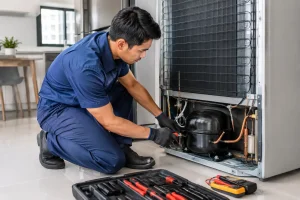
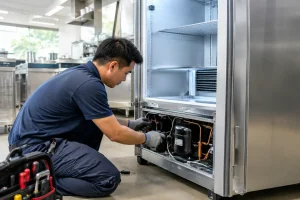
A good repair service begins with proper diagnosis. The visible symptom is not always the failed part. For example, a refrigerator that is warm may have a faulty fan, a defrost problem, a compressor issue, a damaged door gasket, or poor airflow around the unit. Replacing a part without testing the appliance can lead to repeat visits and unnecessary cost.
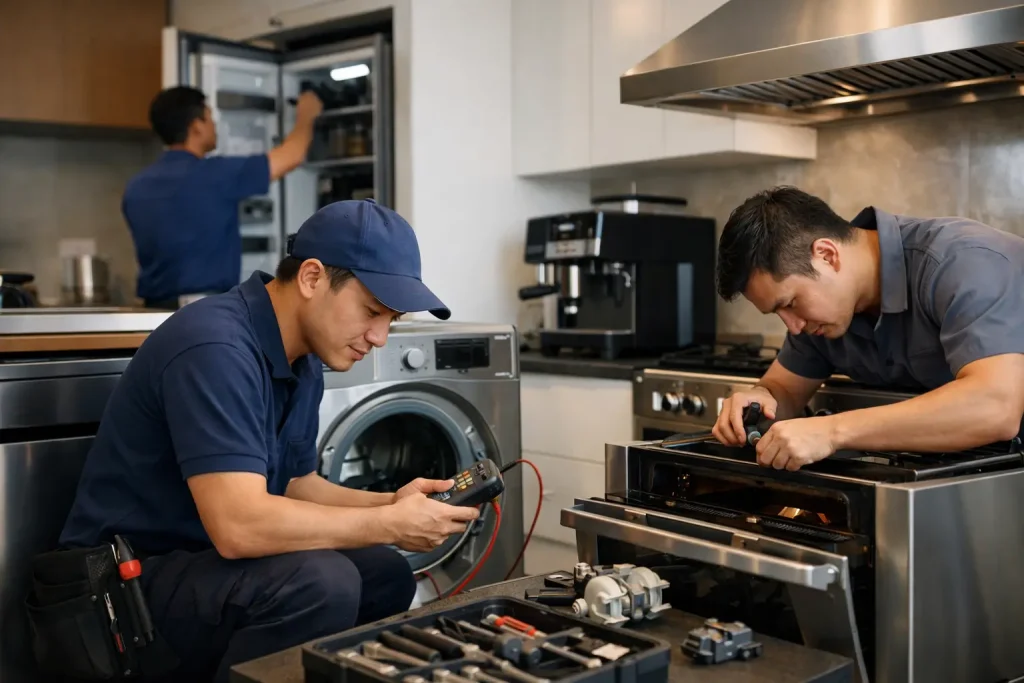
Look for a company that works across the appliance types you use. This matters especially for property managers and businesses that need support for more than one unit. A technician experienced with washing machines may not necessarily be equipped to diagnose a built-in oven, wine chiller, induction cooktop, or commercial ice maker.
The best providers also explain findings in simple terms. You should know what has failed, why it may have happened, what repair is recommended, and whether there are reasonable alternatives. Clear advice is more useful than a vague statement that an appliance needs “fixing.”
Ask About the Full Repair Process
Before booking, ask how the service process works. A professional company should be able to explain whether there is a diagnostic charge, how an estimate is provided, and what happens if spare parts are required. Some faults can be repaired during the first visit, while others need a specific part to be ordered.
It is also reasonable to ask whether the technician will test the appliance after repair. A washing machine should be checked for filling, draining, spinning, and leaks. An oven should be tested for heating performance and controls. A refrigerator needs time to return to its operating temperature, but the technician should still verify that the relevant cooling components are working correctly.
Signs You Are Choosing a Reliable Appliance Repair Service
Price matters, but the cheapest quote is not always the best value. A low initial price can become expensive if the diagnosis is incomplete, a poor-quality part fails early, or the original issue returns. Compare the scope of service, not only the headline number.
Four practical signs can help you assess a repair company:
- It handles diagnosis before recommending major parts or replacement.
- It gives a clear explanation of labor, parts, and any additional work.
- It has experience with your appliance category and brand type.
- It provides realistic timing rather than promising a repair before inspecting the fault.
Responsiveness matters too, particularly when a freezer is thawing, a refrigerator contains stock, or a shared laundry appliance is out of service. Fast scheduling is valuable, but it should be paired with competent troubleshooting. A rushed repair that misses the root cause is not a reliable repair.
Check Experience With Your Specific Appliance Fault
Different appliances fail in different ways. A technician should understand the common fault patterns, but still test before making assumptions.
For refrigerators and freezers, common complaints include weak cooling, excessive frost, water leaks, unusual noises, and alarms. These may involve sensors, defrost components, fans, drainage paths, door seals, control boards, or the sealed cooling system. A wine chiller may also suffer from temperature instability caused by airflow problems, fan faults, or control issues.
Washing machines and dryers often develop drainage faults, spin problems, door lock errors, vibration, water leaks, heating issues, or noisy bearings. With dishwashers, poor cleaning, standing water, leaks, and failure to start are frequent concerns. Ovens, microwave ovens, gas hobs, ceramic hobs, induction cooktops, and cooker hoods need a different approach because their heating, control, ignition, ventilation, or safety systems vary widely.
When you describe the problem, provide the model number if available and note any error code, smell, sound, leak, or change in performance. Mention when the fault started and whether it happens all the time or only during certain cycles. These details help the repair company prepare for the visit and make diagnosis more efficient.
Repair or Replace? Make the Decision With Real Information
A reliable technician should not push repair when replacement is clearly more sensible. At the same time, an appliance should not be discarded simply because it has stopped working once.
Repair is often worthwhile when the appliance is otherwise in good condition, the fault is confined to a replaceable component, and the repair cost is reasonable compared with a similar replacement. A damaged door seal, drain pump, heating element, fan motor, thermostat, sensor, or latch can often be repaired without replacing the whole appliance.
Replacement may make more sense when an older appliance has repeated major failures, essential parts are unavailable, or the repair involves a costly core system. A compressor or sealed-system fault in an aging refrigerator, for example, calls for a more careful cost comparison than a simple fan replacement. Built-in appliances add another consideration: replacing the unit may involve fitting constraints, so a repair can sometimes be the more practical route even when it is not the cheapest option.
For landlords, property managers, and business owners, downtime also has value. A lower repair cost is not automatically the better choice if the unit is likely to fail again soon and disrupt tenants, staff, or operations. Ask the technician for an honest assessment of expected reliability after repair.
Spare Parts: Why Quality and Compatibility Matter
Appliance parts are not interchangeable just because they look similar. A control board, heating element, pump, fan motor, or door lock must match the model and specifications of the appliance. Using an incorrect part can create new faults or reduce performance.
Ask whether the recommended part is original, compatible, or refurbished, where appropriate. There can be valid reasons to choose a compatible part, especially for older appliances, but the choice should be explained. The key point is correct fitment and dependable operation, not simply finding the lowest-priced component.
A good repair company should also be upfront when parts availability affects the repair timeline. This is particularly useful for specialized appliances such as wine chillers, coffee machines, built-in ovens, and ice makers, where components may be less commonly stocked.
Do Not Ignore Safety-Related Symptoms
Turn off the appliance and arrange professional help if you notice burning smells, sparks, repeated tripping, smoke, exposed wiring, a gas smell near a gas hob, or significant water leakage near electrical connections. Do not keep resetting a tripping appliance or attempt to bypass a safety switch.
For cooling appliances, avoid dismantling rear panels or trying to handle refrigerant-related issues yourself. For ovens, hobs, and microwaves, internal components can retain dangerous electrical charge even after the appliance is unplugged. Basic checks such as confirming the power supply, cleaning a lint filter, or checking that a refrigerator door closes properly are reasonable. Internal repairs are usually not.
Get Better Results From the Service Visit
Before the technician arrives, clear reasonable access to the appliance and remove stored items if needed. For a refrigerator or freezer, take note of the temperature issue and move perishables to another safe location if cooling has failed. For a washer or dishwasher, avoid running another cycle if there is an active leak.
Have the appliance model number and a short description of the fault ready. If an error code appears only occasionally, take a photo of it. These small steps can reduce diagnostic time and help the technician focus on the likely cause.
Fix It Appliance provides islandwide support in Singapore for household and commercial appliance diagnostics, repairs, spare parts replacement, maintenance, installation, dismantling, and rental needs. The right repair decision starts with an accurate diagnosis, not a guess.
When an appliance starts showing early warning signs, arrange an inspection before a minor issue becomes a complete breakdown. Prompt, well-explained repair can protect your appliance, reduce disruption, and give you a clearer answer on whether it still has useful life left.