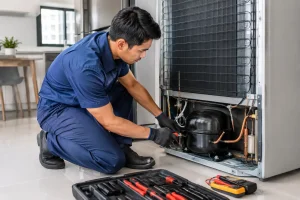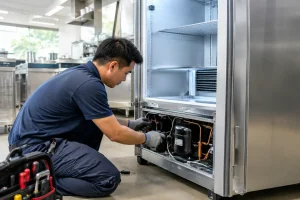
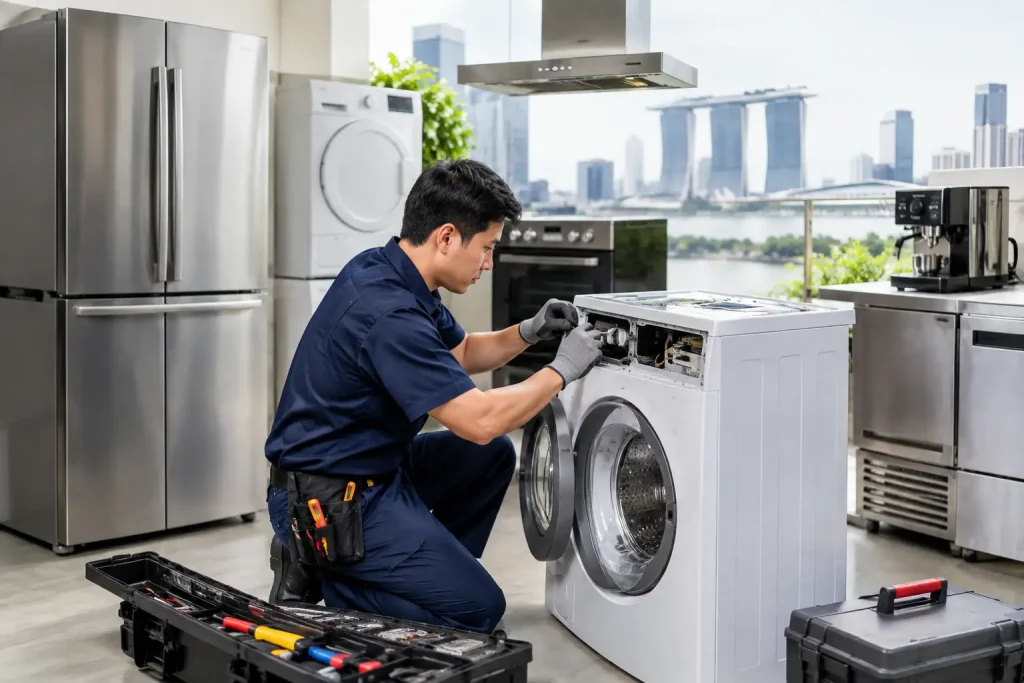
A refrigerator that no longer cools, a washer that leaks from multiple places, or an oven with repeated electrical faults can reach a point where another repair is no longer sensible. At that stage, appliance dismantling and disposal needs more planning than simply moving the unit out of the kitchen or utility area. Large appliances are heavy, connected to power and water, and may contain components that require proper handling.
For homeowners, tenants, landlords, and businesses in Singapore, the first decision is not how to throw an appliance away. It is whether the appliance should be repaired, safely dismantled, or replaced. A proper assessment can prevent unnecessary replacement costs while avoiding the risks of moving or disposing of a faulty appliance incorrectly.
When Dismantling Is the Right Choice
Dismantling is usually considered when an appliance cannot be safely repaired, when the repair cost is disproportionate to its remaining value, or when it must be removed to make space for a replacement. It may also be necessary when a built-in oven, cooktop, cooker hood, dishwasher, or integrated refrigerator has to be taken out without damaging surrounding cabinetry.
Age alone does not decide the issue. A 10-year-old washing machine with a worn drain pump may still be worth repairing if the motor, drum, and controls are in good condition. On the other hand, a newer machine with major electronic board damage, a damaged drum assembly, and repeated leaks may not be a practical repair.
For commercial equipment, downtime matters as much as repair cost. A café ice maker, office coffee machine, wine chiller, or freezer that has failed repeatedly can disrupt daily operations. If spare parts are no longer available or the appliance is unreliable after several repairs, replacement and disposal may be the more dependable option.
A technician should assess the fault before any removal is arranged. This provides a clearer repair-versus-replacement decision and helps identify whether there are hazards such as a refrigerant issue, damaged wiring, or a gas connection that must be isolated.
Appliances That Need Special Handling
Not every appliance can be handled in the same way. Small countertop appliances are generally easier to disconnect and transport, while large or built-in units need a more controlled removal process.
Refrigerators, Freezers, and Wine Chillers
Refrigerators, chest freezers, upright freezers, and wine chillers contain cooling systems, electrical parts, insulation, and refrigerant. If the appliance is still running, it should be switched off and emptied well before collection or removal. Allowing the interior to defrost helps prevent water from leaking across the floor during transport.
Do not cut cooling pipes, remove the compressor, or attempt to release refrigerant yourself. A damaged refrigerant line can create safety concerns and makes proper handling more difficult. Doors, shelves, and glass racks should also be secured or removed carefully to prevent breakage while the unit is being moved through hallways, elevators, or narrow service areas.
Washing Machines, Dishwashers, and Dryers
Washing machines and dishwashers must be disconnected from the power supply and water connections before removal. Residual water often remains in hoses, pumps, filters, and internal tubing even after a drain cycle. Preparing towels or a shallow tray can prevent a messy floor and reduce the risk of slips.
Front-load washers are especially heavy because of their drum and counterweights. Tilting or dragging one across tiles can damage flooring, strain the back, or cause the unit to topple. Dryers may appear lighter, but their heating components and electrical connections still require care, particularly for stacked washer-dryer arrangements.
Ovens, Cooktops, and Built-In Appliances
Built-in appliances are not designed to be pulled out forcefully. Ovens, dishwashers, coffee machines, cooker hoods, induction cooktops, ceramic hobs, and gas hobs may be fixed with brackets, screws, sealant, or custom panels. Removing them without checking these points can damage the appliance, cabinet edges, countertop, or electrical connection.
Gas hobs require additional caution. The gas supply must be properly turned off and disconnected before the appliance is removed. For electrical built-in appliances, power should be isolated at the appropriate connection point. If you are uncertain about any connection, stop and arrange professional assistance.
How to Prepare for Appliance Dismantling and Disposal
A little preparation makes removal faster and safer. Start by taking out food, laundry, cookware, water tanks, coffee beans, ice, and removable accessories. Check hidden compartments, freezer drawers, detergent trays, filters, and door pockets. For commercial appliances, remove business labels, stored supplies, and any detachable fittings that will be reused.
Next, disconnect the appliance only if you can do so safely. Unplugging a standard plug is straightforward, but hardwired, built-in, water-connected, or gas-connected appliances may need professional disconnection. Never pull an appliance out by its power cord, water hose, or door handle.
Clear the route from the appliance to the exit. Measure tight doorways if the unit is unusually large, and remove loose rugs or obstacles. In apartments and condominiums, consider elevator access, loading arrangements, and building management requirements. A refrigerator that fits easily through the kitchen entrance may still be difficult to move through a narrow corridor or service lift.
Before disposal, protect personal information where relevant. Smart coffee machines, appliances with Wi-Fi functions, and units that store settings should be reset if possible. Keep invoices, manuals, and removable shelves if they are needed for the replacement appliance or for warranty records.
Why DIY Removal Can Cost More Than Expected
Trying to dismantle a large appliance yourself may seem like a way to save money, but the hidden risks are real. Appliances are awkward to carry, and their weight is rarely distributed evenly. A washing machine can shift suddenly when tilted. A refrigerator can scratch walls, dent doors, or damage flooring. Glass cooktops and oven doors can crack if they are unsupported during removal.
There is also the issue of diagnosis. An appliance that appears beyond repair may have a single failed part, such as a thermostat, door seal, drain pump, heating element, fan motor, or control component. Replacing a whole appliance before confirming the cause of failure can be more expensive than a targeted repair.
The opposite can happen too. Repeatedly repairing a unit with multiple aging parts may create ongoing disruption and higher cumulative costs. This is why a practical recommendation should account for the appliance’s condition, fault history, spare-parts availability, expected repair cost, and how critical the appliance is to daily use.
Professional Appliance Dismantling and Disposal Support
Professional removal is particularly useful for large, heavy, built-in, or water-connected appliances. The job typically starts with checking the appliance type and its connections. The appliance can then be disconnected safely, taken out without unnecessary damage to nearby fittings, and prepared for responsible disposal or recycling through the appropriate channel.
This approach is useful when replacing an old refrigerator, removing a failed washing machine, changing a built-in oven, or clearing appliances from a rental unit or commercial premises. It also avoids leaving an unusable appliance in a corridor, common area, or waste point where it can obstruct access or create a safety issue.
Fix It Appliance can assess whether a faulty appliance is a suitable repair candidate before recommending dismantling and removal. For many customers, an honest diagnosis is the most valuable part of the process. It helps avoid disposing of an appliance that can still provide reliable service with the right repair.
Repair, Replace, or Dispose: A Practical Way to Decide
Ask three questions before arranging disposal. First, is the fault isolated and repairable with available parts? Second, has the appliance been dependable apart from this issue? Third, will the repair give a reasonable period of reliable use for the cost?
Repair often makes sense for a single fault on an otherwise well-maintained appliance. Replacing a worn door gasket on a refrigerator, a heating element in an oven, or a pump in a washing machine can restore normal operation without the cost and disruption of replacement.
Replacement is more likely to make sense when there are several major faults, critical parts are unavailable, corrosion or structural damage is present, or performance remains unreliable after repair. For built-in appliances, factor in the cost and effort of removal and installation as well, not just the price of the new unit.
The best time to plan disposal is before the old appliance becomes an urgent problem. A clear diagnosis, safe removal plan, and suitable replacement schedule keep your home or business running with fewer surprises.